On this page

GTM Strategy
The U-Haul Playbook
The fastest way to understand your customers is to get closer to them — here’s how early stage founders are using radical customer discovery to grow faster
The founders who know their customers better than anyone else in their category are the ones who win.
The most committed version of this involves literally moving to where your customers are. Most founders won't do that. But the underlying principle of obsessive, in-person customer discovery is something every early stage startup needs to take seriously.
In the last month, I met three founders who all had one thing in common: they relocated or traveled to wherever their customers were. Call it a growth hack. Call them crazy for investing so much of their personal lives into customer discovery. But they all knew more about their customers than anyone else in their category. And they were growing fast.
The founder who moved into a mobile home to understand his customer
A few years ago at Endeavor's National Selection Panel, I watched a mid-20s founder present a manufactured home insurance product he'd been building. As part of his customer research, he chose to move into a mobile home for a full year. It was the fastest and most comprehensive way he could think of to understand his primary customer's needs.
He was right. The company is growing fast and at the time had just closed a $13M Series A.
Is moving necessary? Of course not. Plenty of companies have been built by founders who are obsessed with the problem without relocating their lives. But this story makes a point worth sitting with: how well do you actually know your customer?
The founder who turned a road trip into a sales tour
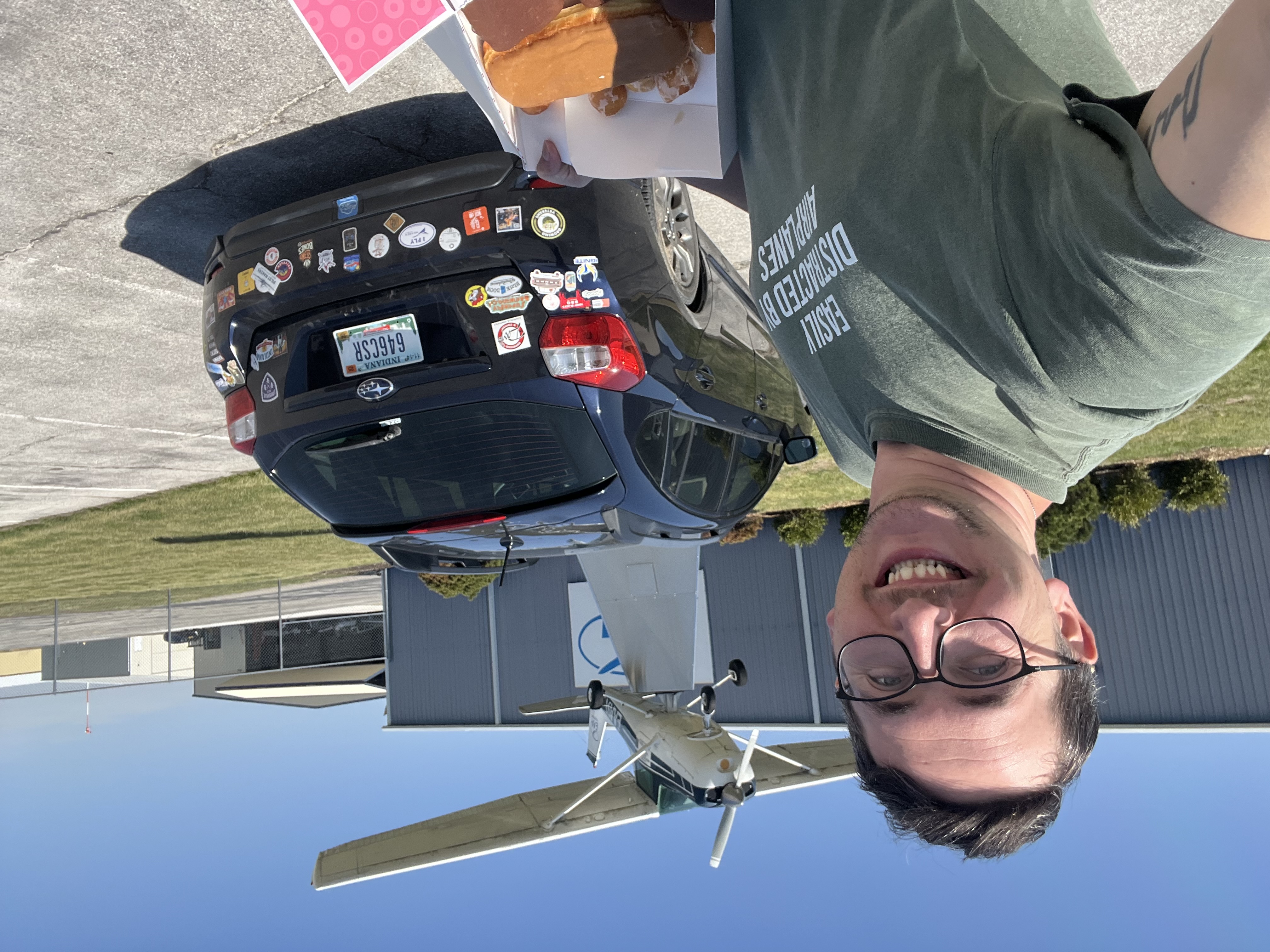
Timothy Tweet, founder of Proper Pilots, was invited to speak on a panel at SXSW. Most people in his position would have booked a flight. (And yes, the irony of a pilot choosing to drive is not lost on anyone.) But Timothy made a different call.
He's based in New Albany, Indiana. Austin, Texas is not a short drive. But when he looked at the route, all he saw was an opportunity to visit the flight schools.
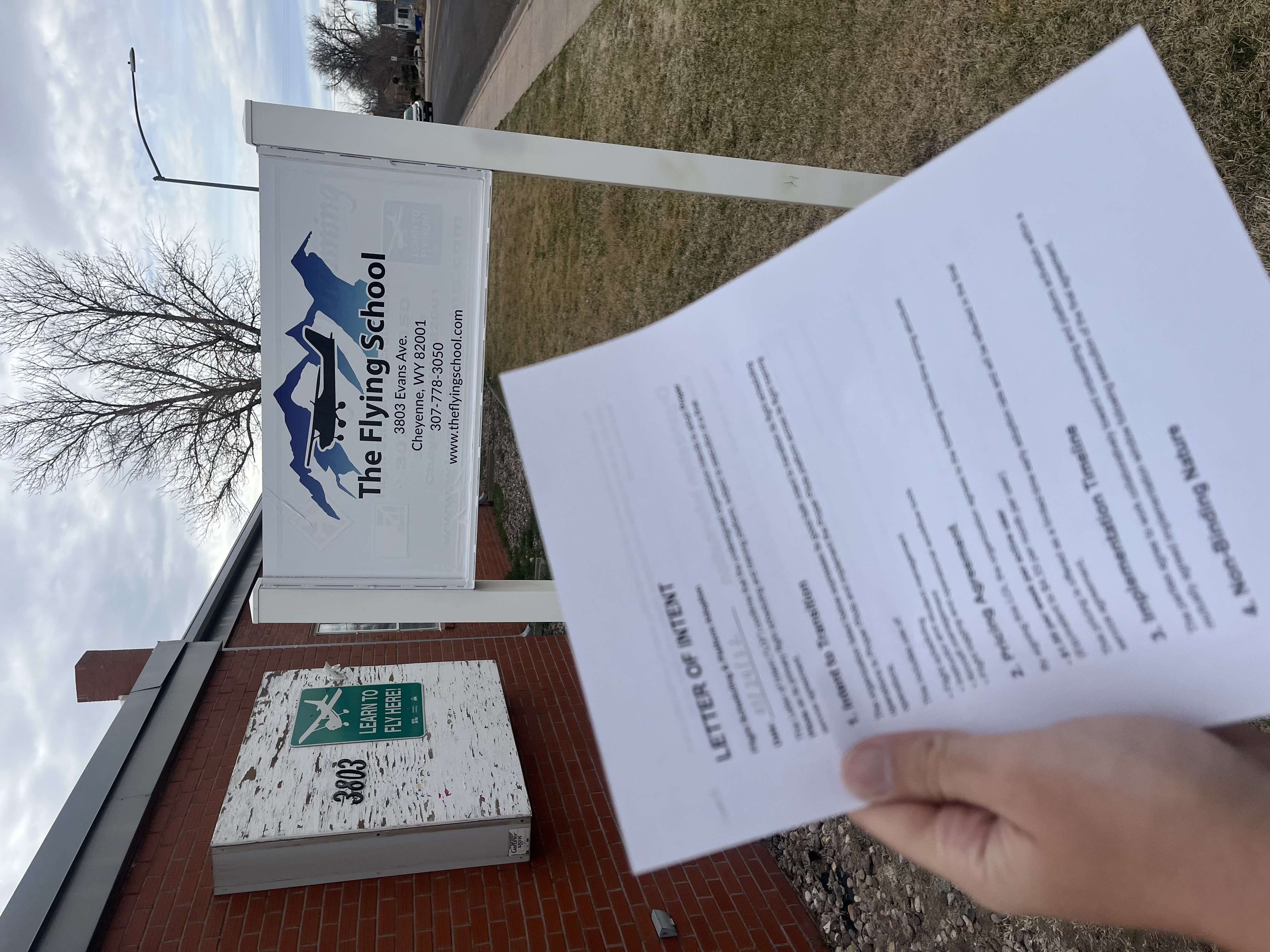
So instead of hopping into his plane, Timothy loaded up the car and turned the drive into a customer discovery tour. He met potential customers face to face. By the end of the trip, he had at least one LOI signed.
That's the U-Haul Playbook in action. Relocating to a new state isn't necessary or possible for everyone. The point is to get out to see your prospects in person and talk to them first hand.
Why customer discovery is the only growth strategy that matters at the early stage
Customer discovery is the most important activity for a pre-market, MVP, or seed stage founder. And honestly, it never really ends. But in the early stages, your growth is entirely dependent on your ability to solve the right problem for the right person.
That requires an open mind and genuine curiosity. You have to be obsessed with the problem, not just your solution. You need to ask the questions that give you real answers, not the ones that confirm what you already believe.
Subject matter experts often make great founders for exactly this reason. A professional who's spent 20+ years in a market knows the problems that need solving. And most likely already has a Rolodex of beta users or potential customers to market to. What they typically need is a business-minded co-founder to help with strategy. But for founders without that deep domain knowledge, there's no shortcut around doing the work to understand the market.
Why founders avoid customer discovery (and why it costs them)
Fear and false shortcuts are the two main blockers to customer discovery.
Some founders are afraid. Getting in front of potential customers means hearing "no," or hearing that the problem they've spent a year solving isn't quite the right one. That's uncomfortable. So they delay. They polish the deck, or tweak the website. They do everything except go talk to people.
Others convince themselves they can skip to the part that scales. "I'll just run paid ads." At the early stage, this is almost never true. You don't yet know what message to run. You don't know which channel your buyer actually lives on. You haven't earned the data that makes paid advertising efficient. Ads become a costly way to identify if you're targeting the right customer. And the qualitative information can't be obtained from looking at how many clicks an ad received.
Ironically, both of these avoidance tactics are costly.
What great customer discovery actually looks like in practice
You don't have to move across the country to prove you're serious about knowing your customer. But you do have to show up consistently and intentionally. Here are a few ways to implement customer discovery into your day to day:
- Dedicate at least 30% of your time to customer conversations. This means talking to your ideal customer profile, but also the people who influence the buying journey like champions, decision makers, and end users. All of them shape the sale.
- Ask questions that reveal, not confirm. The Mom Test by Rob Fitzpatrick is the best short read on this. The goal is to surface what your customers actually think, not to hear them validate your idea.
- Review insights with your team. Founders are too close to their own assumptions. Your team will see patterns you miss and help you translate what you're hearing into roadmap decisions and messaging that actually lands.
- Go where your customers already are. Conferences, industry events, trade associations, and online communities are places where your customers are gathering. Find the party and show up consistently.
- Treat every conversation as a data point, not a verdict. One customer telling you something is interesting. Five customers telling you the same thing is a signal. Ten is a pattern. Keep talking until the patterns are clear.
The founders who grow fastest share one trait
Knowing your customer better than anyone else is a competitive advantage. You can be an expert in product or engineering or marketing but still miss the mark on meeting your customers where they are. Founders are visionary and often think of solutions for problems we don't even see yet. Speaking to your target market requires sharp communication skills, curiosity, and an open mind.
And over time, that customer knowledge compounds. It sharpens your messaging. It informs your roadmap. It tells you which conferences to attend, which channels to invest in, and which assumptions to throw out. Every other growth strategy becomes more effective when it's built on a real understanding of who you're selling to and what they actually need.