On this page

Marketing Strategy
Before the AE: How Strategic Marketing Sets Your Founding Sales Team Up to Win
Most founders hire their first salesperson before the foundation exists to make them successful. Here's how to change that.
Founders ask me about hiring their first salesperson all the time. Sometimes they bring it up directly. Sometimes I pick it up in the subtext. The fatigue behind their eyes when they talk about their pipeline, the way they describe sales calls as something happening to them rather than something they're driving. And many times, they flat out say “I am so burdened by sales.”
It makes sense. Founders are carrying every function of the business: product, sales, customer success, finance, vision. Sales fatigue is real, and the instinct to hand it off is understandable.
But here's what I've seen happen, more times than I can count: the first sales hire gets made, and things don't get better. Deals stall. Conversion drops. The founder ends up back in sales calls anyway, trying to rescue pipeline. And everyone is confused about why it isn't working.
The answer usually isn't the salesperson. The answer is that the strategic marketing foundation, aka the work that makes any sales motion successful, was never built.
Why the first sales hire struggles
When founders hire their first salesperson, whether that's an AE, SDR, or BDR, they're usually hoping for one of two things: someone to run the sales process for leads the founder is already generating, or someone to independently build their own book of business.
Most of the time, neither happens cleanly or well.
Founders who are still in the early stages of selling are building the sales process while they're running it. They're making hundreds of micro-decisions in every conversation, such as whether a lead is truly qualified, whether the product is actually applicable to this prospect, when to push and when to let a deal go. They've developed a sales motion, whether they've documented it or not, that reflects the culture of how they want to sell.
When you hand that off too early to someone who doesn't share that context, things fall apart. Not because they're bad at their job, but because the playbook only exists in the founder's head.
Drew Wynn, the founding AE at Five Four client Reportwell, experienced this firsthand. Drew had been in sales for bigger companies in the past, but this experience here was markedly different. Because Reportwell is a startup, Drew’s role became more about building the foundation that would allow sales to truly succeed. His early days were spent building lists and cold calling thousands of contacts across charter schools trying to figure out whether the EdTech product was the right fit for the market. "You gotta have a process builder before a process executor," Drew told us. Without a clear ICP or a defined sales process, even a talented salesperson spends most of their time doing everything except selling. Research shows that on average, salespeople spend less than a third of their time on active sales. The rest goes to data cleanup, systems work, and figuring out what they're supposed to be doing in the first place.
That's an expensive but preventable problem.
The instinct to make the hire is understandable. But most founders are skipping the critical step of strategic marketing.
Marketing isn't what you think it is at this stage
When founders hear "marketing," they often think about content, social posts, email newsletters, and maybe ads. They think about output and visibility, which is why many will hire an agency to produce content before they've done anything else.
That's not the marketing that matters right now. And hey, I’m a marketer. I can say this.
What matters at the early stage is the strategic layer underneath all of that. The industry sometimes calls it product marketing, though the line between marketing strategy and sales enablement blurs quickly for most founders. What it really means is this: understanding your market deeply enough to know exactly who you're selling to, what to say to them, and how to reach them.
That's the work of ICP definition, messaging, and go-to-market motion selection. It puts the strategic work before the production work. And it's the foundation that makes your sales motion, and eventually your sales hire, actually function.
Without it, you're sending someone into the field without a map.
What this looks like when it works
Here's the version of this story that plays out with Five Four clients.
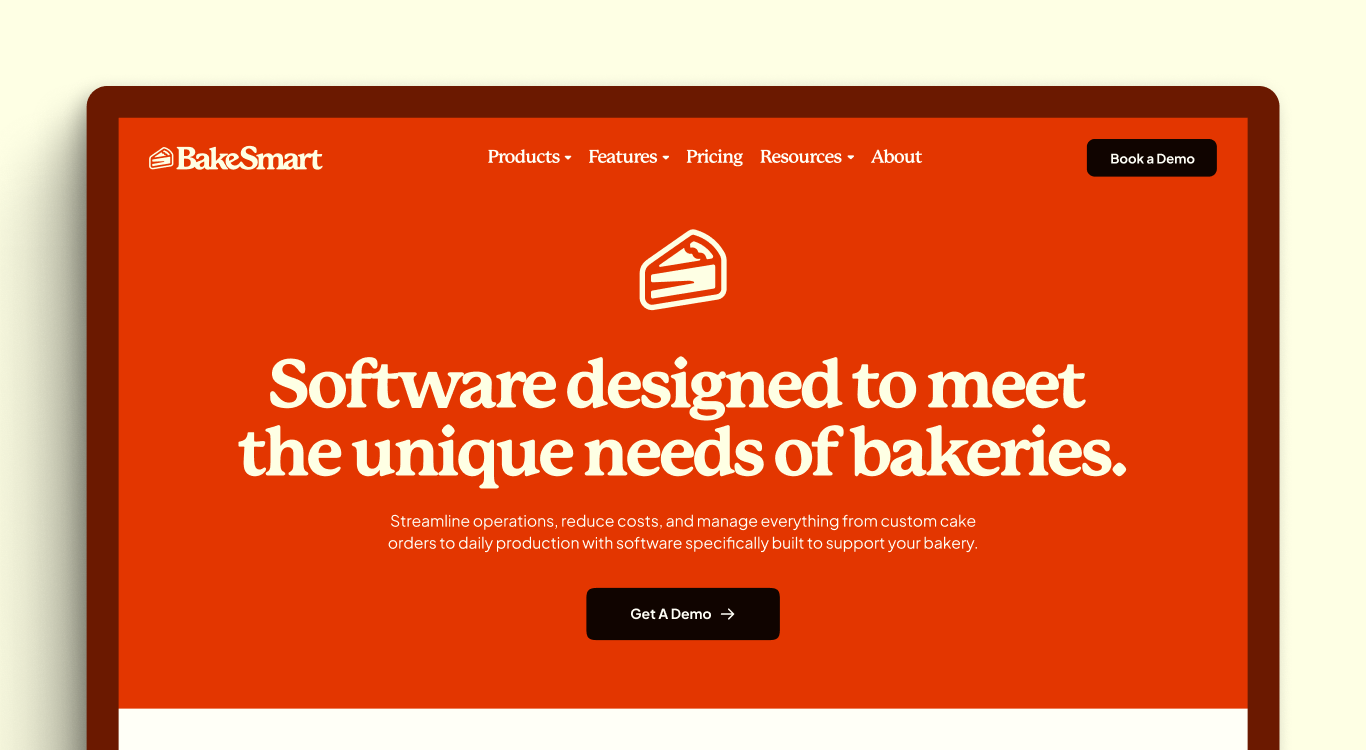
BakeSmart came to us with a product built for bakeries. The problem was they were pursuing all kinds of bakeries and not all of them were a good fit. Time was being wasted on accounts that were never going to convert. When we did the ICP work, we got specific: the types of bakeries where the product would create real, immediate value. With that clarity, the BakeSmart team went out and did targeted in-person sales and it worked. Later, we built an event strategy that attracted exactly that ICP, giving sales a warm, high-intent audience to work. Marketing and sales operating as a team, but only because the strategic foundation existed first.
Proximity sells to city council leaders. When we looked at the ICP together, something became obvious fast: the total addressable market for that specific buyer was tiny. There are only a handful of decision makers per city. Running broad awareness campaigns or targeted ads was never going to make sense. The math didn't work, and this audience doesn't buy that way.
The right path was right in front of us. Direct outreach. The founder had the credibility and the relationships to open those doors. Marketing's job wasn't to generate leads — it was to sharpen the message and make every touchpoint count. Once we understood the ICP, the sales motion became obvious.
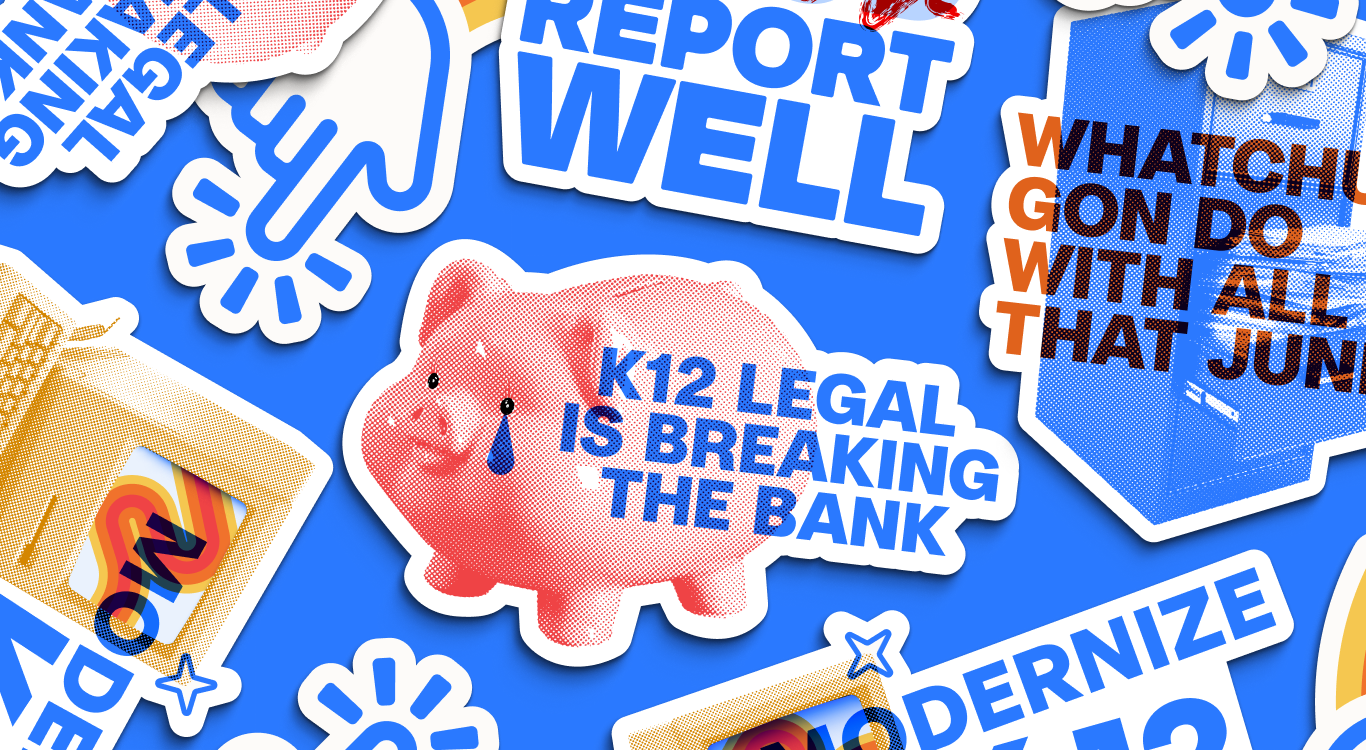
Reportwell was launching a brand new product into the K-12 education market — which makes the ICP and messaging work even more critical, not less. Drew's early experience illustrates what happens without it: thousands of contacts, unclear targeting, and time spent on outreach that wasn't landing. When Reportwell narrowed their focus and sharpened their message, everything downstream improved. Their conference strategy became precise. With a clear message and a booth experience that pulled in exactly the right attendees, the sales team could have real conversations instead of just collecting badge scans. Drew described driving around visiting schools and realizing prospects hadn't heard of Reportwell at all. Brand awareness and messaging weren't a nice-to-have. They were table stakes for sales to function.
Illume came to us with a website built with AI tools. It wasn't bad-looking, but it said nothing meaningful about the market they served. It assumed the reader already understood why the product existed and why it mattered. The founder knew it wasn't working — and in the meantime, was doing what early founders do: trade shows, cold outreach, the scrappy cold-start tactics that are necessary before you know what scales. (Sound familiar? We've written about this.)
We rebuilt the brand and website to actually speak to Illume's audience — to reflect who they are, what they're solving, and why it matters. Now, when Illume is ready to make their first sales hire, the website will do the heavy lifting. A prospect who lands there will understand the product, feel the relevance, and arrive at a sales conversation already half-convinced. That's what good marketing actually does for sales.
One more thing worth naming
Founders who come from the industry they're selling into have a built-in advantage. They have a rolodex. They know the players. They understand how deals get done in their market. If that's you, work that book of business before you build any other motion — it's your most efficient path to early revenue, and it's invaluable customer discovery.
Once that network is tapped, then you think about what comes next. And that transition — from founder-led sales fueled by relationships to a repeatable motion a sales hire can run — is exactly when strategic marketing becomes essential.
The right sequence
The goal isn't to choose between marketing and sales. It's to sequence them correctly.
Strategic marketing — ICP definition, messaging, motion clarity — is the work that sharpens founder-led sales while it's happening, and builds the foundation a first sales hire needs to hit the ground running. It answers the questions your salesperson will need answered before they can do their job well: Who are we talking to? What do we say? Why does it matter to them? How do we reach them?
Founders who do this work first don't just close more deals. They make better hires, onboard them faster, and build sales motions that actually scale.
The founders who skip it don't save time. They just spend it later, cleaning up the mess.