On this page

Brand
The Keys to a Successful Brand Launch
Whether you're coming out of stealth, closing your first round, or relaunching with a new identity, here's how to turn your brand moment into a campaign that creates real awareness, pipeline, and market positioning
If a tree falls in the forest and nobody was there to hear it, did it make a sound?
Insert my team rolling their eyes because of how many times they’ve heard me say this.
You spent months on it. The new name. The logo. The website that finally says something. The messaging that actually sounds like you. And then you posted about it on LinkedIn, refreshed your notifications for an hour, and went back to your inbox.
That's not a launch. That's a whisper. Or rather a hope, wish and prayer for attention.
A brand moment is one of the few genuine marketing opportunities an early stage startup gets. The next story worth this kind of coordinated, multi-channel attention might be 12 to 18 months away — a funding round, a product milestone, or a market expansion. You don't get many of these. And too many founders burn them by treating the launch like an admin task instead of what it actually is: a strategic event.
So let's talk about how to do it right.
What a brand launch actually is for an early stage startup
For an early stage startup, a brand launch isn't just a brand update. It's a company launch.
It's the moment you introduce yourself to the world with intention. Not with a quiet update that your existing followers might notice, but with a coordinated signal to prospects, investors, partners, and press that you exist, you're ready, and here's exactly what you're for.
The trigger looks different for every company. Some are coming out of stealth. Some just closed pre-seed funding and now have the credibility to say it out loud. Some completed a rebrand that changed everything (the name, the visual identity, the story) and need the market to understand who they've become. Some are finally confident enough in what they're building that they're ready to stop being the best-kept secret in their category.
Whatever the trigger, the moment deserves the same treatment.
This is also, not insignificantly, when your mom can finally tell her friends what you do for a living.
Why this moment is more valuable than most founders realize
Here's the thing about launches: you only get one.
You can announce a new product feature. You can share a customer win. You can post about a hire or a milestone. But the moment where you introduce your company to the world, where you draw a clear line between who you were and who you are now, only happens once. And most founders underinvest in it because it feels like marketing vaporware instead of revenue.
But it is marketing, and that's the point.
There's something else worth understanding right now, in 2026, about what a well-executed launch actually does for your company. AI search tools like Claude, ChatGPT, and Gemini are increasingly how your prospects find solutions. And unlike traditional search, which ranks pages, AI search retrieves and cites specific passages from content it has indexed as authoritative and relevant. That means what the internet says about your company matters more than ever.
I’ll rant about the poor timing of the demise of media platforms and true journalism later.
A launch done right seeds the internet with the right signals. A press release distributed over the wire tells AI tools and the journalists and analysts who feed them exactly what your company is, what it does, and who it's for. When a prospect searches for a solution to the problem you solve, your company shows up. Not by accident, but by deliberate launch.
The founders who treat a launch as a LinkedIn post miss this entirely.
The channels most founders skip — and why they work
Most founders default to social media because it's free, familiar, and immediate. And yes, social should be part of your launch. But it definitely shouldn't be the whole thing.
Here are the channels that get underused most consistently and what they actually do.
Wire press releases
I know. Some of you are rolling your eyes. Press releases feel like something from 2004, something Microsoft did before Twitter existed.
They're back. And if you haven't been paying attention, here's why.
AI tools don't pull from your owned website the way Google once ranked it. They pull from third-party sources like news outlets, trade publications, syndicated content. A wire release distributed through PR Newswire or BusinessWire puts your announcement in front of hundreds of those outlets simultaneously. It creates indexed, crawlable, citable content that tells the internet exactly who you are and what you're for.
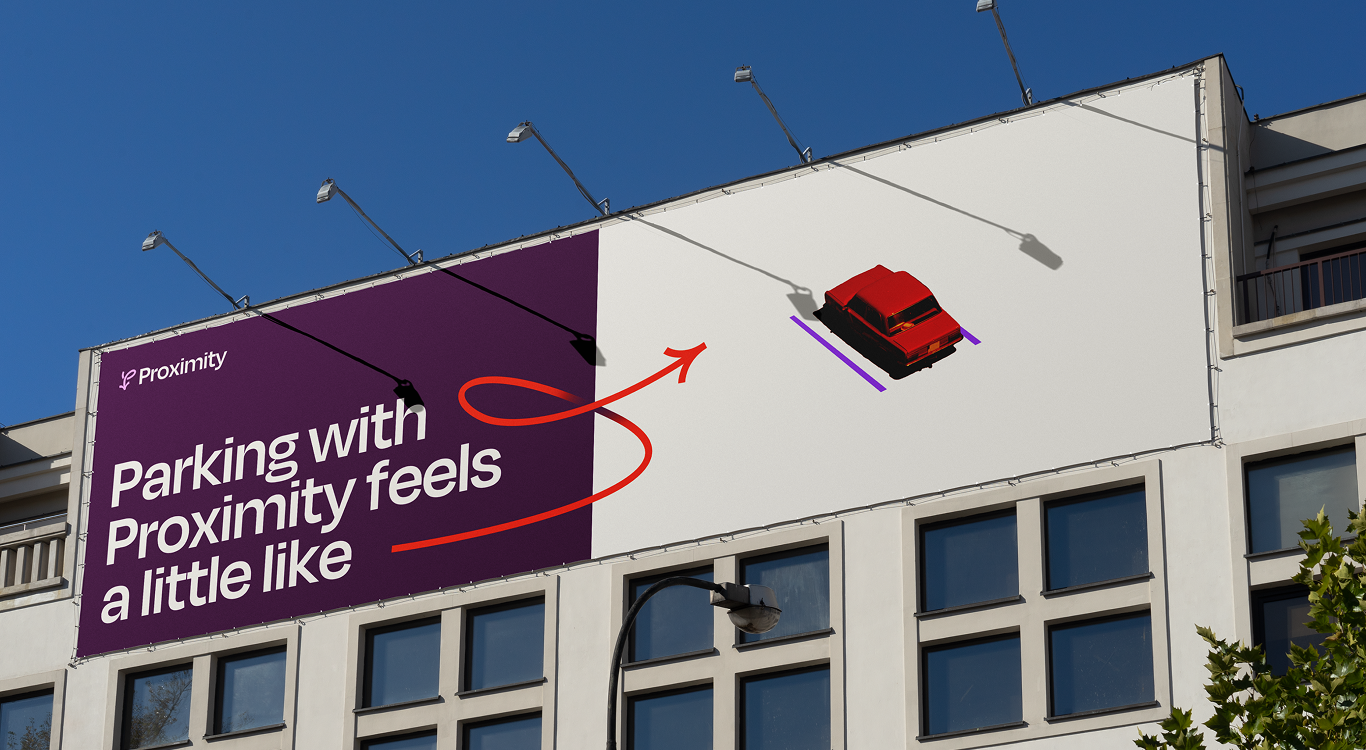
We saw this work in real time with Proximity, a local parking platform, when they launched in Covington, Kentucky. The City of Covington came on board as a partner in the PR push — they wanted a positive story about parking for the city, and Proximity gave them one. The city drove outreach to local news stations. Those stations covered the launch. And because local news outlets carry real domain authority, AI tools indexed multiple credible third-party stories about Proximity in a short window of time. The result: when someone searched for a parking solution in Covington, Proximity surfaced as the answer.
The cost ($500-$1000) is negligible relative to the potential surface area. And I'll say this plainly: a lot of marketers who entered the workforce in the last decade have never written a wire release or know how to distribute one. It's a tactic with real leverage that the market has largely forgotten.
Direct email to investors, partners, and customers
Simple, underused, and wildly effective.
A dedicated email to your investors, advisors, existing customers, and strategic partners announces who you are and why you exist, leaving no room for interpretation. It doesn't get lost in a feed algorithm. It lands in an inbox with a subject line that says we have something to tell you.
Here's the part founders forget: that email gets forwarded. Someone on your investor's team shares it with a portfolio company. A customer forwards it to a colleague at another organization who has the same problem. A partner sends it to a prospect they've been meaning to introduce you to. Your message travels into rooms you were never in.
It sounds almost too simple to be strategic, which is exactly why it works.
Pre-seeding your amplifiers
This one requires a little advance work, and it pays off more than almost anything else on launch day.
Two weeks before you launch, identify five to ten people who are known in your space, have real networks, and would genuinely be willing to support your announcement like former colleagues, investors, and industry influencers.
Don't cross your fingers hoping your post shows up in their feed. Reach out directly. Tell them exactly when you're launching and exactly how you want them to help, like a comment, a share, or a repost with their own take. Send them a calendar invite for your launch date so they don't forget. Give them the language if it helps.
People want to support the founders they believe in. They just need you to make it easy. When five people with real audiences engage with your launch post in the first hour, the algorithm treats it like content worth amplifying.
We did this for Cliff Simon of Polaris when he launched his newsletter. For a services company, a newsletter is a product — and launching it deserved the same intention you'd give a product launch. Before the announcement went live, we got Cliff's friends, colleagues, and stakeholders on board with the plan: here's the date, here's the post, here's how to show up for it. When Cliff published his LinkedIn announcement, the engagement came fast and it came from the right people. The algorithm rewarded it. He gained over 100 new subscribers on launch day alone, and hit a goal that would have taken months of organic growth if he'd simply posted and hoped for the best.
What a full launch playbook looks like: Illume
Illume came to us at a pivotal moment. They were changing their name, overhauling their brand identity, rebuilding their website from scratch, and stepping out of a chapter where their visual identity had been built with AI tools — functional, but generic.
The brand work itself was substantial: a new name, new visual identity, and a new website rebuilt to actually speak to their audience and reflect the market they served. It explains why the product existed, and gives a prospect landing on the page a clear reason to stay.
We could have stopped there, but we didn't. (Remember the trees and the forest?)
Once the brand was ready, we ran a coordinated communications campaign: a wire press release that announced the launch and seeded the right language across third-party outlets, social content timed to go out across the founder's personal profile and the company page simultaneously, and direct outreach to Illume's existing network to make sure the people who already believed in them were ready to amplify.
On launch day, Illume received two completed contact forms from prospects. Two new inbound leads on the day they introduced themselves to the world. That's what happens when you treat a brand moment as a campaign.
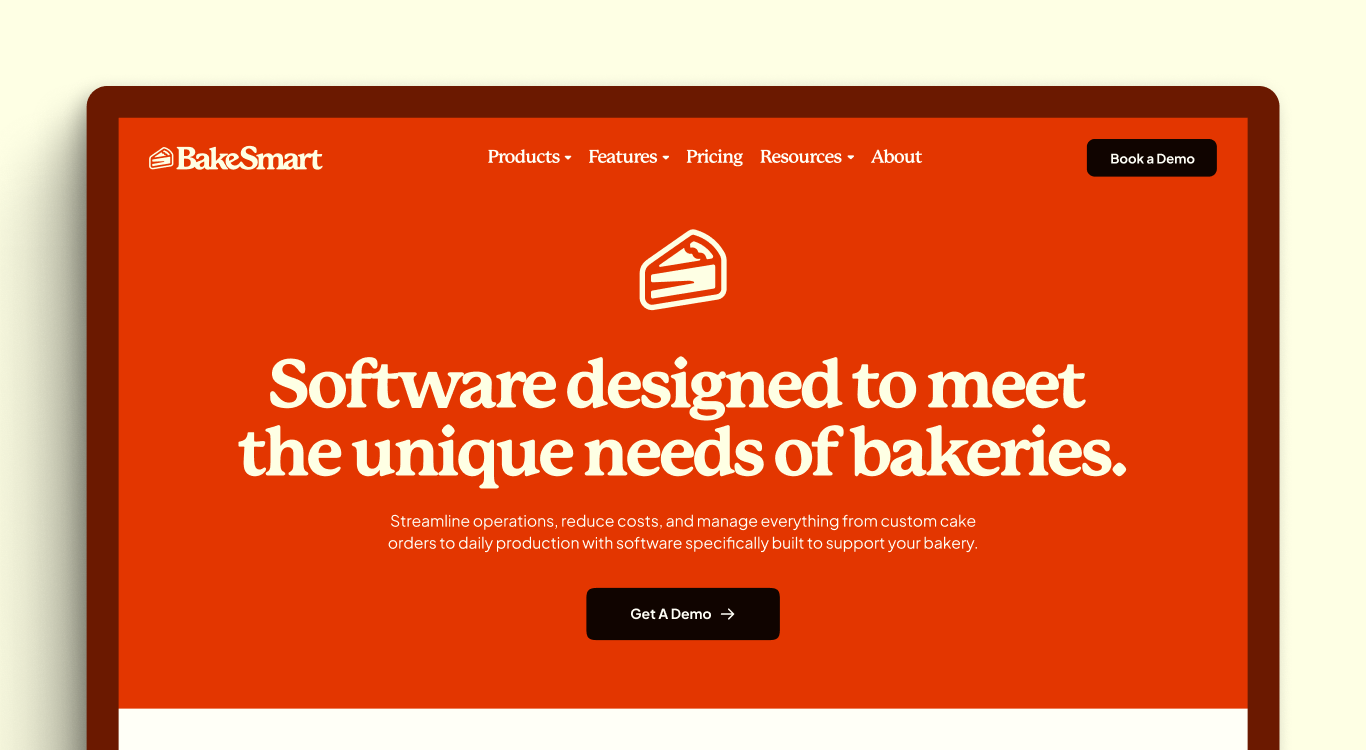
Illume isn't the only example. Proximity launched under a new name after rebranding from Park Pay USA — the brand gave the market something to anchor to, and the launch campaign made sure the right people heard about it. Health Cost IQ used their repositioning as a launch moment to signal to existing stakeholders who they had become. BakeSmart transitioned from an on-premise solution to a cloud-based platform and used the launch to tell existing customers the update was a commitment to them, not just a product decision. Different triggers. Same principle. The brand is the reason. The launch is the move.
Five things that make a brand launch actually work
These are the patterns we see across every launch that generates real results.
1. Treat it as a campaign, not an announcement. A launch isn't a post. It's a coordinated effort across multiple channels — press, email, social, partner activation — that tells the same story to different audiences at the same time.
2. Seed the internet before you publish. Wire distribution, media outreach, and pre-launch communications prime the environment for your announcement. When the launch goes live, it lands in a space that's already been prepared for it.
3. Tell people before you tell the world. Your investors, advisors, existing customers, and champions should hear from you directly — before the public announcement. They should feel informed, not surprised. And they should know exactly how to help.
4. Make amplification easy. Don't leave your supporters guessing. Give them the date, the ask, and the language. A calendar invite and a simple note goes a long way.
5. Measure beyond day one. The inbound contact forms on launch day are exciting. But the real results from a well-executed launch compound over weeks — new connections, media follow-ups, forwarded emails, search visibility that didn't exist before. Build attribution that catches the long tail.
You only get one big swing. Make it count.
The brand is what gives you something worth launching. The launch is what makes sure anyone finds out.
Founders who do the brand work and then go quiet aren't just leaving awareness on the table. They're leaving pipeline on the table. The prospects who would have found you. The partners who would have reached out. The journalists who would have covered you if someone had just sent the email.
You built the thing. Now tell the world about it.